


Medical bills can pile up quickly—from unexpected emergencies to routine treatments that become expensive over time. For many Americans, managing multiple medical debts at once can be overwhelming and financially draining. That’s where the Financial Triage Method comes in. Inspired by the medical concept of triage, this method helps you categorize your bills based on urgency, impact, and financial risk, allowing you to stay in control without going broke.
The Financial Triage Method is a practical approach designed to help individuals organize their healthcare debt, negotiate better terms, and create a payment strategy that reduces stress and avoids financial collapse.
Table of Contents
What Is the Financial Triage Method?
The Financial Triage Method is a structured system for evaluating your medical bills, ranking them by priority, and creating a step-by-step repayment plan. Instead of treating all bills equally, this method identifies which debts must be handled immediately and which can be negotiated or postponed.
This approach helps you:
• Avoid late fees and collections
• Reduce emotional stress
• Make affordable payments
• Prevent long-term credit damage
• Stay organized when dealing with multiple providers

Why the Financial Triage Method Works
Medical bills are different from typical debt. They come from multiple sources, vary in urgency, and often can be negotiated. The Financial Triage Method works because it recognizes:
• Some bills have immediate consequences (collections)
• Some can be negotiated down
• Some can be placed on affordable payment plans
• Some are eligible for financial aid or forgiveness
Prioritizing by impact, not amount due, leads to smarter, more manageable repayment.
Step-by-Step: How to Use the Financial Triage Method
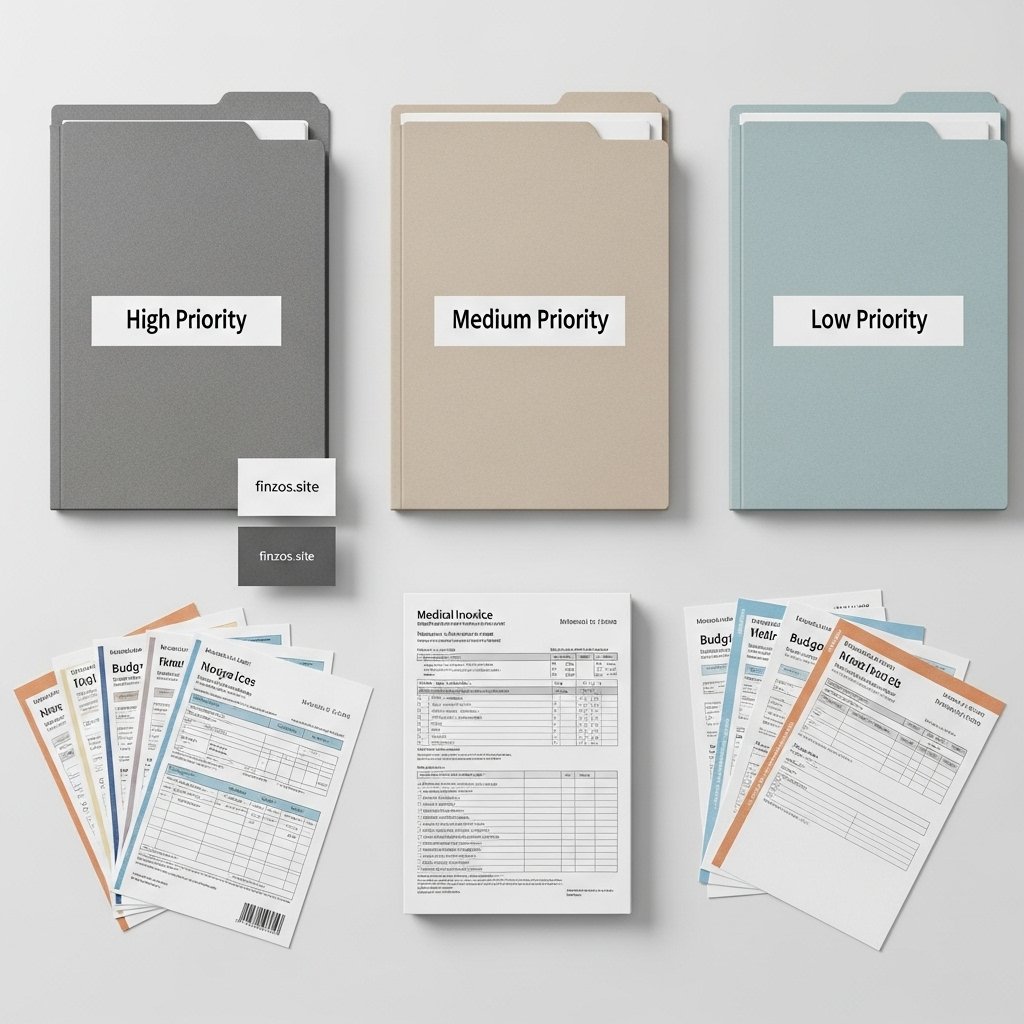
1. Gather and Categorize Every Medical Bill
Collect all bills from:
• Hospitals
• Specialists
• Labs
• Radiology centers
• Physical therapy providers
• Urgent care facilities
• Insurance explanation-of-benefits summaries
Organizing your bills prevents missed payments and helps you see the full picture.
2. Verify Accuracy Before Paying Anything
Medical billing errors are extremely common in the United States.
Check for:
• Duplicate charges
• Incorrect treatment codes
• Services you didn’t receive
• Insurance miscalculations
• Out-of-network errors
You can request an itemized bill, which often reveals overcharges that can be disputed.
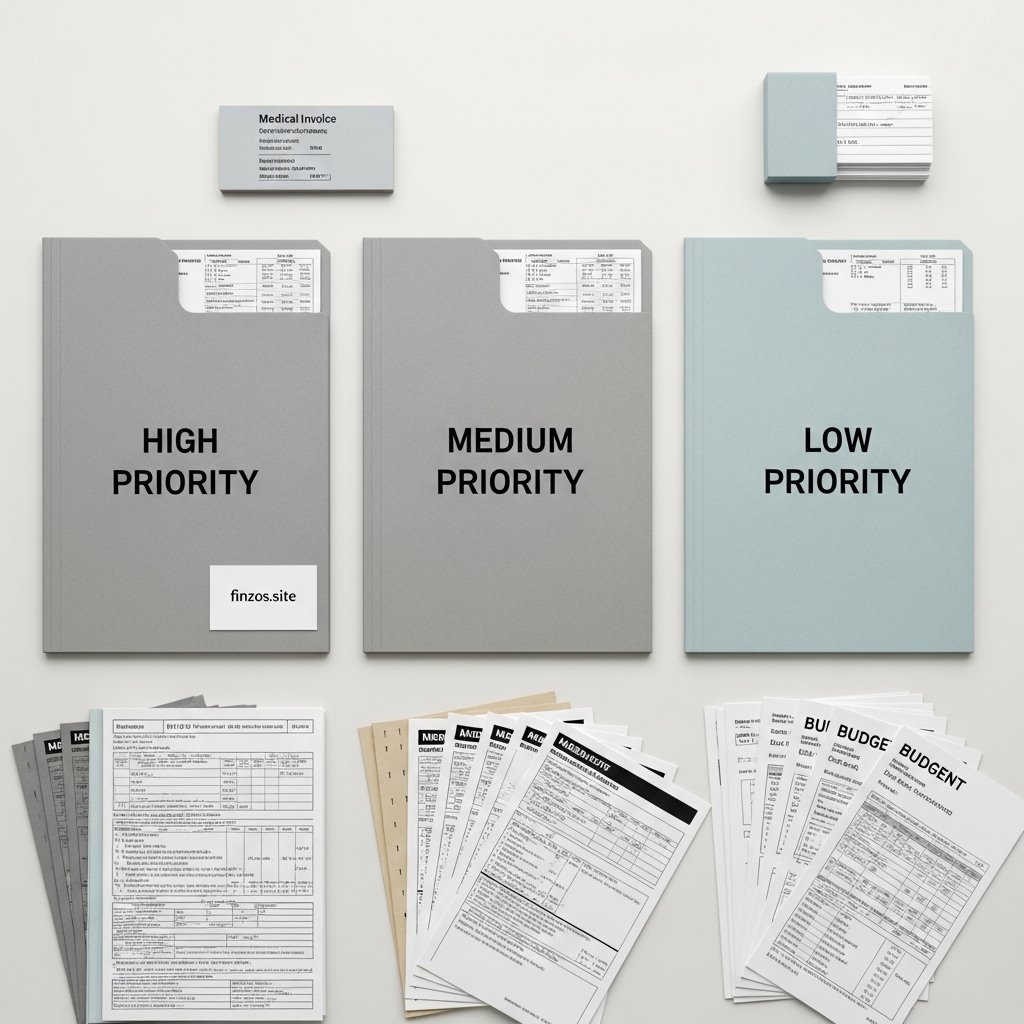
3. Prioritize Bills Using the Financial Triage Method
Create three categories:
High Priority (must handle immediately)
• Bills close to going to collections
• Debts already in collections
• Emergency room bills
• High-balance hospital invoices
• Time-sensitive payment plans
High-priority debts carry the biggest risk to your credit score and financial stability.
Medium Priority (can be negotiated or placed on a plan)
• Specialist bills
• Lab charges
• Therapy sessions
• Routine care invoices
These bills usually offer flexible payment arrangements.
Low Priority (non-urgent or easily postponed)
• Bills not yet finalized by insurance
• Charges under appeal
• Minor balances with long due dates
These can wait while you handle urgent items first.
4. Contact Providers to Negotiate Lower Balances
Most medical providers offer options when you call.
Ask for:
• Financial hardship discounts
• Cash-pay discounts
• Interest-free payment plans
• Settlement offers for lump-sum payments
• Charity care program applications
Many bills can be reduced significantly simply by asking.
5. Build a Realistic Payment Plan Based on Priority
Your plan should match your actual budget—not unrealistic expectations.
Ideal strategy:
• Pay high-priority debts first
• Set up low-interest plans for medium-priority debts
• Delay low-priority bills until insurance processes or until you are stable
This keeps your finances steady while you chip away at all balances.
Financial Triage Method Comparison
| Priority Level | Example Bills | Consequence Level | Best Action |
|---|---|---|---|
| High | ER visits, hospital stays | High risk of collections | Pay or negotiate first |
| Medium | Specialist visits, labs | Moderate | Request payment plan |
| Low | Pending insurance claims | Low risk | Delay temporarily |
Common Mistakes to Avoid When Managing Medical Bills
• Ignoring small bills until they go to collections
• Paying low-priority bills before high-priority ones
• Not verifying billing errors
• Assuming a bill cannot be negotiated
• Using high-interest credit cards to pay medical debt
Avoiding these mistakes saves money and protects your credit.
Additional Resources That Support the Financial Triage Method
• Nonprofit credit counseling agencies
• State-level medical debt relief programs
• Hospital charity care departments
• Marketplace insurance subsidies
• Medical cost advocates who negotiate bills
Using multiple resources can further reduce what you owe.
Final Thoughts
The Financial Triage Method provides a structured and realistic approach to managing multiple medical bills without losing control of your finances. By prioritizing debts based on urgency, negotiating balances, and creating an affordable repayment plan, you can protect your credit, reduce stress, and avoid going broke in the process. With rising healthcare costs in the United States, having a practical strategy like this is essential for long-term financial stability.